
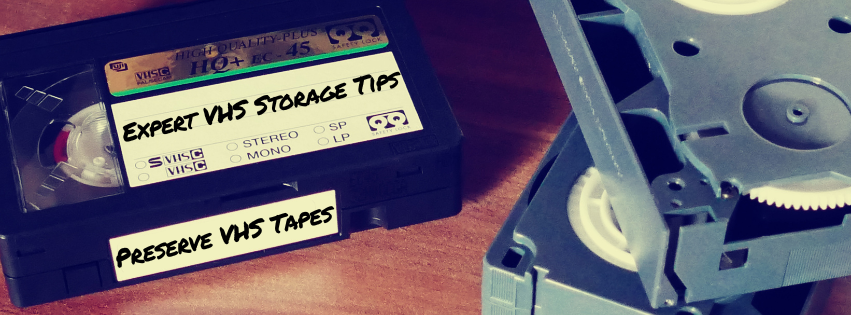
Expert VHS Storage Tips
For collectors and nostalgia lovers, VHS tapes aren’t just old movies—they’re memories. Whether you’ve got rare cult classics, ‘80s horror gems, or priceless family footage, learning how to store and preserve your VHS tapes properly can make all the difference. Magnetic tape naturally deteriorates over time, but the right care can slow that process dramatically. Here’s how to protect your collection for years to come.
1. Control Temperature and Humidity
One of the most important VHS storage tips is to keep your environment cool and dry. Heat and humidity can cause tapes to warp, stick, or grow mold. The ideal range is 60–70°F (15–21°C) with 40–50% relative humidity. Avoid attics, garages, and basements—these spaces experience temperature swings that damage magnetic tape. A climate-controlled indoor space, such as a bedroom closet or interior media cabinet, works best. If you live in a humid area, use a dehumidifier. In dry climates, store tapes in breathable containers to maintain air flow.
2. Store Tapes Upright
VHS tapes should always be stored vertically, like books on a shelf. Laying them flat or stacking them can warp the casing and stress the tape reels inside. Keep them snug but not tightly packed, and use bookends or dividers to prevent leaning. This small step helps maintain the integrity of the reels and prevents misalignment.
3. Always Rewind Before Storage
Before you shelve your tape, rewind it completely. Leaving it halfway played creates uneven tension that can stretch or crease the tape. Collectors also recommend “exercising” tapes once every few years—simply fast-forward and rewind to keep the reels moving smoothly. Just make sure your VCR heads are clean before doing so to avoid damage.
4. Keep Away from Magnetic Fields
Because VHS is a magnetic medium, it’s vulnerable to nearby magnetic sources. Keep your collection at least two to three feet away from electronics like TVs, speakers, and microwaves. For long-term protection, use non-metallic storage such as wooden shelves or plastic bins. Avoid placing tapes near power strips or Wi-Fi routers, which can cause electromagnetic interference.
5. Use Protective Cases and Proper Labels
Protect your tapes from dust, UV light, and scratches by storing them in plastic clamshell cases or their original boxes. If you only have cardboard sleeves, keep those in dark, dry storage. Label your tapes with acid-free labels or archival pens—regular ink can fade or bleed. For valuable or custom-labeled VHS, scan the covers and labels digitally as a backup.
6. Shield from Sunlight and UV Damage
Direct sunlight can fade artwork, warp plastic cases, and even damage the tape inside. To preserve VHS tapes, store them in opaque bins or enclosed cabinets away from windows. If you display your tapes on open shelves, install UV-filtering film on nearby windows to block light exposure.
7. Digitize for Longevity
Even under perfect conditions, VHS tapes degrade over decades. To truly protect your collection, digitize your VHS tapes using a reliable converter or professional service. Digitization not only preserves content but allows you to watch your classics without risking the original physical tape. Think of it as creating a digital backup for your analog treasures.
8. Inspect Regularly
At least once a year, inspect your VHS collection for mold, residue, or discoloration. Wipe exterior cases with a soft cloth and ensure reels move freely. Catching small issues early prevents long-term damage and loss.
The Best VHS Storage Tips
Preserving your VHS collection is about more than nostalgia—it’s about safeguarding history. Following these VHS storage tips will keep your tapes in top shape and protect them from environmental damage, magnetic loss, and time itself. By controlling temperature, minimizing light exposure, and digitizing your favorites, you’ll ensure that your VHS tapes stay preserved for future generations to enjoy. Because VHS isn’t just vintage—it’s timeless.